EGLIN AIR FORCE BASE, Fla. -- What is mental health, and why has it become such an important topic?
The World Health Organization defines mental health as a state of well-being that enables people to cope with life’s stresses, realize their abilities, work productively and contribute to their communities.
For many years, the phrase “mental health” carried a stigma, especially within military culture. 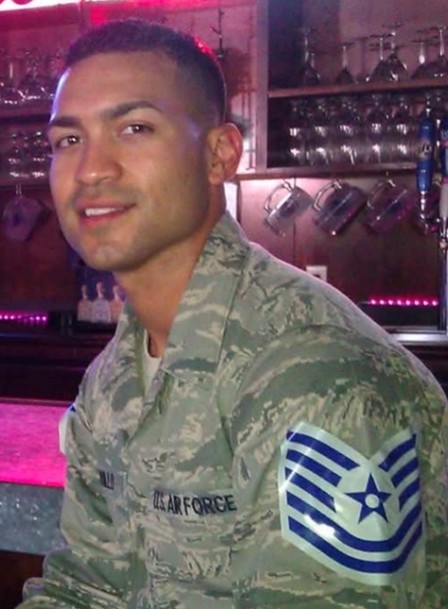
Too often, service members believed admitting they were struggling would negatively affect their careers or make them appear weak. Fortunately, the Department of the Air Force has made significant progress in changing that mindset. Today, there is a growing understanding that mental health challenges can affect anyone, and that seeking help is a sign of strength, accountability and readiness.
I have served more than 23 years in the DAF as both an active-duty member and civilian. During that time, I have seen firsthand how mental health challenges can affect even the strongest Airmen, and I have experienced those struggles myself.
Early Lessons in Resilience
I joined the Air Force in 2003 from Chicago, Illinois as a nutrition specialist.
My upbringing was difficult. My father was in and out of jail, and my mother struggled emotionally. Growing up in Chicago, violence was a normal part of life. I was exposed to things no child should have to witness.
One of the most significant moments of my youth was losing a teammate on my high school football team to violence. I still remember the shock and grief I felt. At the time, I did not realize those emotions would become a recurring theme throughout my life.
Those experiences taught me resilience before I even understood the word. No matter what happened, I learned to keep moving forward.
Service, Loss, and Perspective
After completing Basic Military Training and technical school, I arrived at MacDill Air Force Base in Tampa, Florida. For the first time in my life, I was away from my family, friends and everything familiar to me.
Like many young Airmen, I felt isolated at first. But I quickly realized the people around me were experiencing the same transition, and that perspective helped me adapt.
I had a permanent change of station to Travis Air Force Base, California.
It was there that I built lifelong friendships, met my wife and reconnected with Tech. Sgt. David Fernandez. 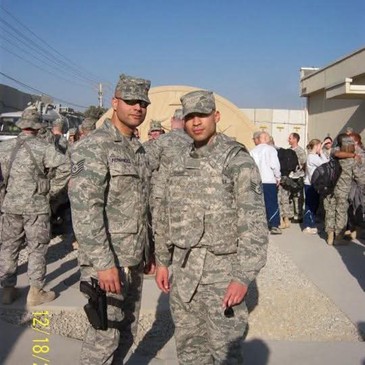
David had been my first supervisor at MacDill. He taught me hard lessons, helped me grow professionally and always had my back. He was the type of leader who genuinely cared about people and wanted others to succeed.
In 2010, I deployed to Afghanistan.
Before leaving, I felt completely prepared to serve. My mindset was simple: I was ready to give everything in support of the mission, even if it meant I did not come home.
Afghanistan felt surreal. I witnessed disturbing experiences that still flash through my mind today. Like many service members, I relied on my training, focused on the mission and kept persevering.
When my deployment ended, David replaced me in Afghanistan. After he returned home, we reunited and picked up right where we left off.
Less than two years later, in April 2013, David was killed in a motorcycle accident.
His death turned my world upside down.
I was honored to escort his body to Fort Sam Houston National Cemetery in San Antonio. Standing beside his family during one of the most painful moments of their lives was both heartbreaking and meaningful.
When Strength Meant Asking for Help
David’s death was not the last major loss I would experience.
Over the next decade, I faced additional losses involving family, friends and career setbacks. On the outside, I continued completing the mission and pushing forward. But internally, I was struggling with grief, anxiety and depression.
For years, my approach was to keep my head down and grind through it. Eventually, I realized resilience does not mean suffering in silence.
The same way we train physically to maintain readiness, we must also prioritize mental and emotional health to remain mission capable. The Whole Airman Concept emphasizes mental, physical and emotional well-being.
I sought therapy and began working on my mental health the same way I would work on my physical health.
The DAF provides resources such as mental health services, chaplains, Military OneSource and Military and Family Readiness Centers because leaders understand caring for people is essential to readiness.
Seeking help was one of the best decisions I have ever made.
Readiness Starts with Taking Care of Yourself
As a nutrition specialist, I understand the connection between physical and mental health.
What we consume matters; both literally and figuratively.
Nutrition, hydration, sleep, exercise, and stress management all influence how we think and feel.
Sometimes the fundamentals truly do matter the most:
• Eat balanced meals.
• Exercise regularly.
• Get quality sleep.
• Limit unhealthy coping habits.
• Talk to someone you trust.
My journey taught me that resilience is not pretending everything is fine. Real resilience is having the courage to ask for help and doing the work necessary to become stronger.
Because I asked for help, I am a better husband, father, friend, teammate and Airman.
The Air Force needs you. Your family needs you. Your teammates need you.
Better days are ahead if you keep pushing forward.
A Message to Leaders
Supervisors and leaders play a critical role in building a culture where people feel safe asking for help. When someone is struggling, our responsibility is to support them, not ostracize them.
Empathy, accountability and understanding strengthen both the individual and the mission. Airmen perform at their best when they know their leadership genuinely cares about their well-being.
When we take care of our Airmen, we preserve combat capability, strengthen teams and ensure mission success.
If you or someone you know is struggling with mental health and needs assistance, there are options.
Immediate Crisis (All Personnel): Dial 988 (Service Members and Veterans, press 1) to reach the Suicide & Crisis Lifeline, available 24/7. You can also text 838255.
Active-Duty Service Members: Contact your local Military Treatment Facility (MTF) or your base Mental Health Clinic. You can also access confidential, non-medical counseling 24/7 through Military OneSource at 1-800-342-9647.
DoW Civilian Workforce: Reach out to your agency's Employee Assistance Program (EAP) for free, confidential counseling and support services.