EDWARDS AIR FORCE BASE, Calif. -- Sometimes the greatest threat to readiness is the one no one can see coming.
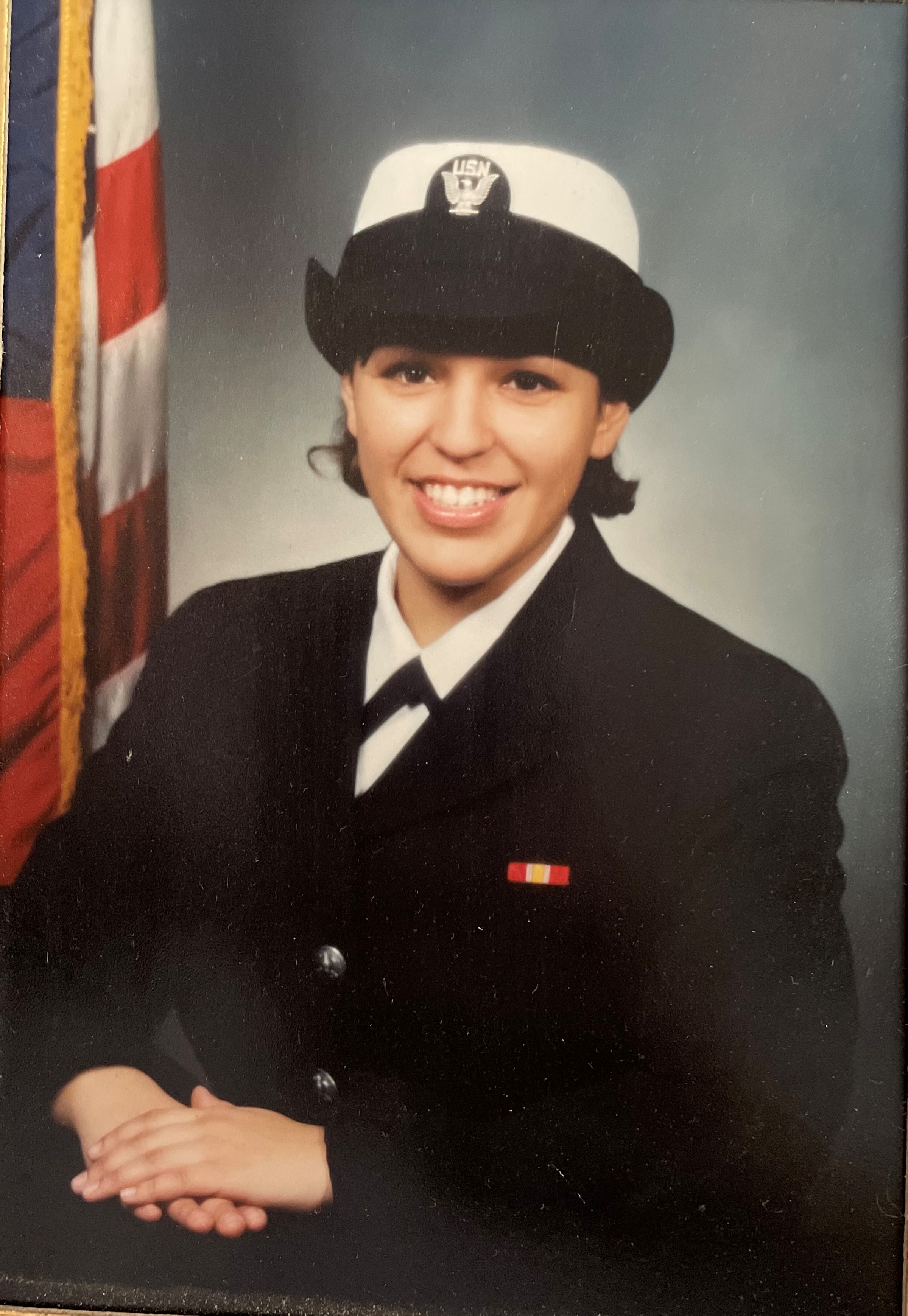 I was sitting in an Employee Assistance Program therapy session when my therapist described suppressed trauma like Pandora’s box. He explained that when trauma happens, we take it, we put it away, and we move on. But when another trauma occurs, that unhealed pain does not stay contained; it bursts open. One becomes two, two become three, and before you know it, you are carrying more than you ever realized.
He asked me to close my eyes and think of a traumatic event. What followed felt like an old film reel, flashbacks playing one after another, moments and memories I had buried for years.
I have always been an advocate for mental health. To me, it is not just a concept; it is part of readiness. It is who we are. It shapes physical, emotional, and operational performance. My mantra has always been, “We all have a story, but it is what we do with it that makes the difference.” That particular session forced me to confront mine.
Learning to go Silent
I can trace it back to a single moment.
I was five years old, lying in a pull-out bed at my grandparents’ home in Utah. I remember the smell of cigarette smoke drifting through the house and the faint sounds of old western movies playing in the background. It should have been an ordinary night.
It was not.
What happened next became something I carried silently for years: fear, confusion, and freezing in a moment I did not yet have the language to understand. I remember sliding off the bed, curling underneath it, and staying there until morning.
I never spoke about it. Not the incident. Not the pain. Not even the scars - physical and mental - that followed that not so ordinary night.
I didn’t understand it then, but I was forming a box in an attempt to store the pain away. I didn’t speak about it or seek help; I chose silence because I didn’t know what else to do. That silence became the beginning – the first layer of what I would come to recognize as unprocessed trauma.
The Silent Erosion of Self
That incident did not stay isolated. It shaped how I responded to stress, instability, and trust long before I ever entered service.
There were years of instability, moving between states, shifting family dynamics, and environments where safety was inconsistent. By age fifteen, I was carrying guilt, shame, and emotional weight behind a straight-A, Varsity Track & Field exterior. 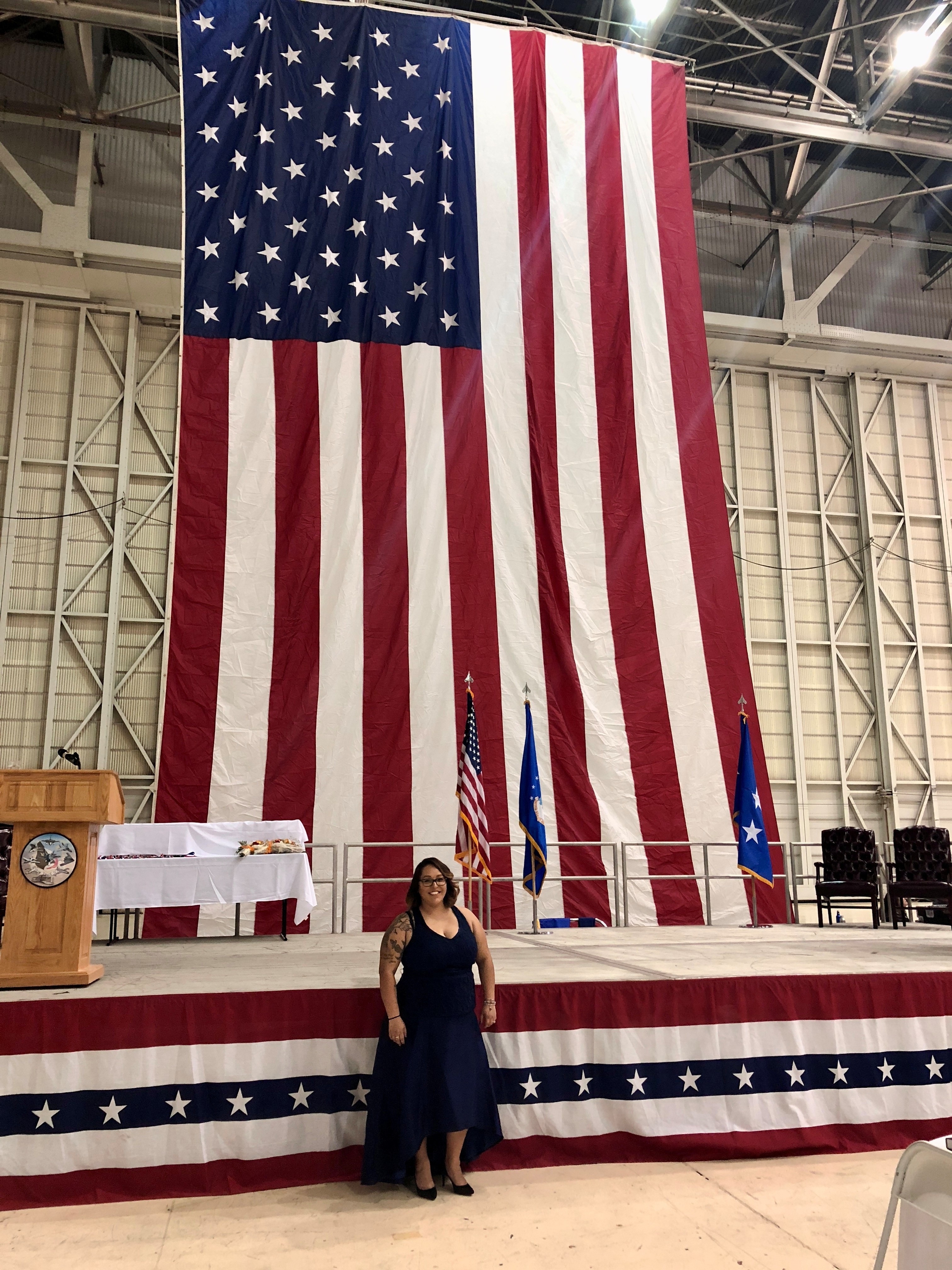
There were moments of self-harm, but even then, it didn’t feel like enough to quiet what I was carrying. I remember freezing, it was late and there I was, sitting in my family’s brown Chevy Astro van that had become my changing room, a place where my dad, and I at times, could rest. I was waiting for my dad to return from a “drop-in” at a well-known drug hotel.
Confusion around identity and a lack of direction led me to walking through that cold, dewy desert. I stepped foot on the side of the freeway and just wondered. But then, in the middle of my thoughts, a semi-truck flew by me and knocked me backwards. In that moment, I knew I was meant for more. I faced experiences no young person should have to process alone: trauma, instability, and survival.
What was missing in those years was what we now call wingmanship. No one should navigate that level of internal and external instability alone, yet I did not have someone trained, willing, or able to see what was happening beneath the surface.
That absence matters. Because readiness within oneself does not fail all at once. It erodes quietly when no one is watching.
When Survival Followed into the Uniform
Even into adulthood, the challenges did not stop.
Eight years of military service introduced new stressors: operational demands, relationships, betrayal, and cumulative trauma that layered on top of what was already there.
Then came the Route 91 Harvest festival mass shooting.
Standing in that crowd when gunfire erupted was a direct encounter with chaos and survival. It reinforced a truth every warfighter understands: life can shift instantly, and training in itself is not always enough to prepare the mind for impact.
But through it all, I kept moving forward. Not because I was unburdened, but because stopping did not feel like an option.
That is where leadership matters most. Not just in directing operations, but in recognizing when someone is still executing the mission while internally deteriorating.
Wingmanship in Action Changed Everything
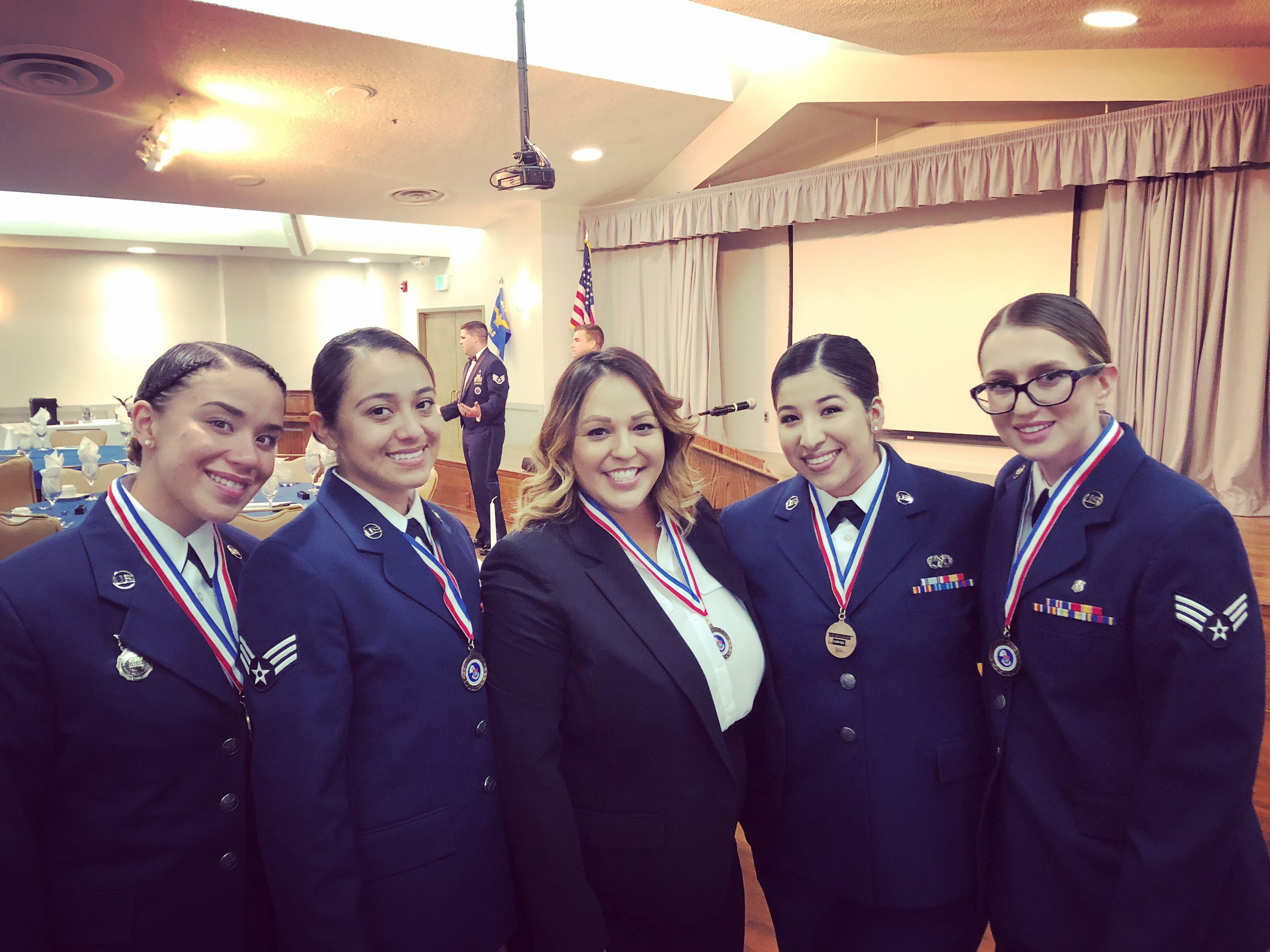 That therapy session was not just about memory. It was about visibility and recognizing that resilience is not about suppressing pain. It is about facing it.
Through the Department of the Air Force’s support resources, such as EAP and mental health services, I found something critical to readiness: structured intervention before a full breakdown. These are not just administrative benefits. They are operational safeguards that preserve force capability.
Healing required accountability, discomfort, and rebuilding how I approached resilience. I had to learn that avoidance is not strength, and silence is not discipline.
Real strength became:
- Asking for help before a crisis
- Accepting support without hesitation
- Maintaining accountability in recovery
- Showing up even when it is difficult
None of that happens without leadership that creates a safe environment for speaking up. Wingmanship is not passive. It requires intentional engagement, early recognition, and the willingness to intervene before small cracks become mission failures.
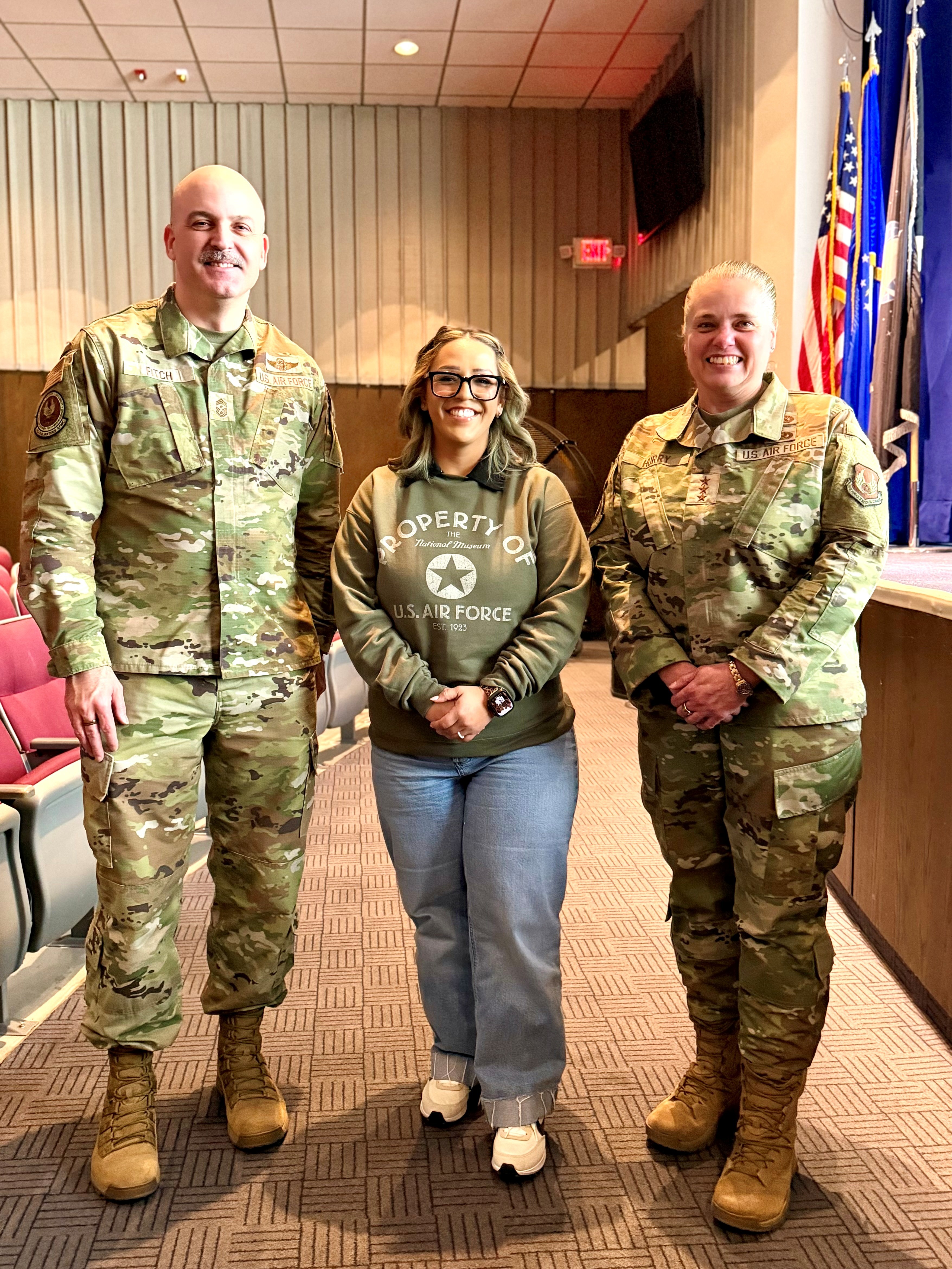 From Individual Recovery to Collective Readiness
Looking back, the experiences that once felt like they would break me became the foundation of who I am today. They taught me that resilience is built through action, not avoidance.
Readiness is not just technical proficiency or physical capability. It is psychological stability, emotional regulation, and the presence of support systems that function before failure occurs.
Today, I stand in a place of growth. I am not where I am because the path was easy; it is because support finally met me where I was.
That is the responsibility of leadership. To create environments where seeking help is not a last resort, but a normal part of sustaining the force. To build cultures where wingmanship is not optional but expected. And to ensure no one in the fight is operating alone while carrying invisible weight.
Because when we talk about warfighter readiness, we are not just talking about equipment or training. We are talking about people, and people only remain ready when they are seen, feel valued, supported, and backed by those around them.
If you are carrying something heavy, you do not have to carry it alone. That is not just a message of support. It is a requirement of readiness. No matter where your story begins, it does not end without support if we are doing our job as wingmen, leaders, and warfighters.
Because no matter where your story begins, it does not end there.
*If you or someone you know is struggling with mental health and needs assistance, there are options. *
Immediate Crisis (All Personnel): Dial 988 (Service Members and Veterans, press 1) to reach the Suicide & Crisis Lifeline, available 24/7. You can also text 838255.
Active-Duty Service Members: Contact your local Military Treatment Facility (MTF) or base Mental Health Clinic. You can also access confidential, non-medical counseling 24/7 through Military OneSource at 1-800-342-9647.
DoW Civilian Workforce: Reach out to your agency's Employee Assistance Program (EAP) for free, confidential counseling and support services.